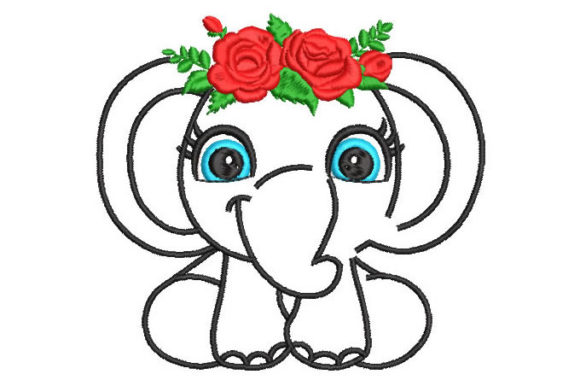
Elephant with Roses: A Designer’s Review for Small Business Merch
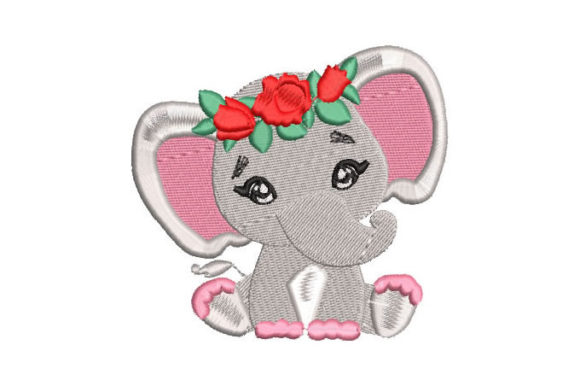
As an embroidery designer who has spent years digitizing and testing files for commercial use, I approach every new machine embroidery design with a critical eye. It is not just about whether the image looks cute on a screen; it is about how that design translates to fabric, how it holds up in production, and ultimately, how it serves a brand. Today, I am reviewing Elephant with Roses, a charming piece from the Animals category that promises to add a playful, floral accent to various textiles. For small business owners, Etsy sellers, and apparel decorators, understanding the practical application of this design is crucial before committing to bulk production.
First Impressions: Visual Personality and Brand Fit
The immediate impression of Elephant with Roses is one of approachable warmth. The combination of an elephant—a symbol often associated with wisdom, memory, and strength—with soft roses creates a juxtaposition that feels both grounded and delicate. In the context of brand identity, this design leans heavily into the "friendly" and "handmade" aesthetic. It does not scream corporate rigidity; instead, it invites connection.
For businesses in the boutique, bakery, florist, or pet care sectors, this visual language is powerful. It suggests a brand that cares about details and values a personal touch. However, for high-end luxury brands or industrial companies, this design might feel too whimsical. The key here is alignment. If your small business merch aims to evoke comfort, nostalgia, or natural beauty, this embroidery file is a strong contender. The description notes it adds a "cute, floral, and playful accent," which accurately reflects its potential to soften the look of structured items like canvas totes or denim jackets.
Real-World Applications for Commercial Embroidery
When evaluating a design for commercial embroidery, versatility is king. Elephant with Roses offers several viable applications for product designers and crafters:
- Embroidered Patches: This is perhaps the strongest use case. The self-contained nature of an elephant surrounded by flowers works beautifully as a standalone patch. These can be sold as accessories or applied to jackets and bags post-purchase, adding value to the finished product.
- Tote Bag Design: Canvas bags are a staple for eco-friendly brands. Placing this design centrally on a tote creates an instant statement piece. The floral elements allow for creative thread color choices that can match seasonal collections.
- Apron Embroidery: For bakeries, florists, or craft studios, branded aprons are essential. A chest-pocket placement of this design adds professionalism without being overpowering. It signals creativity and care to customers.
- Cap Embroidery: While possible, this requires careful scaling. The curved surface of a cap front demands a design that is not too wide. If the hoop size permits a smaller version, this could work as a side-panel accent or a subtle front logo for a lifestyle brand.
- Customer Gifts and Event Merch: Small embroidered items like coin purses or key fobs featuring this design make excellent loyalty rewards. They are low-cost to produce but high in perceived value due to the intricate look of thread colors and texture.
Technical Considerations and Production Challenges
While the aesthetic appeal is clear, the technical execution determines whether the design succeeds or fails in a business setting. The product description mentions that the design comes in multiple formats, but it does not specify exact stitch counts or density maps. As a professional, I advise caution here. Before running a full batch, you must address several technical factors.
Stitch Density and Fabric Texture: Floral designs often involve satin stitches for petals and fill stitches for leaves. If the stitch density is too high, it can cause puckering, especially on lighter fabrics like cotton tees or linen aprons. Conversely, if the density is too low, the underlying fabric may show through, ruining the premium look. Always test on the specific fabric texture you intend to use. For textured towels or heavy canvas, you may need higher density to ensure coverage.
Stabilizer Selection: This cannot be overstated. For a design with varied elements like an elephant’s skin texture and smooth rose petals, proper stabilization is non-negotiable. Use a cut-away stabilizer for stretchy garments like t-shirts to prevent distortion over time. For woven fabrics like tote bags or patches, a tear-away might suffice, but always test first. Poor stabilization leads to registration issues, where the roses might shift away from the elephant, breaking the visual harmony.
Color Contrast and Thread Choice: The success of Elephant with Roses relies heavily on contrast. An elephant is typically gray, brown, or white, while roses are red, pink, or yellow. On dark uniforms, such as navy or black staff shirts, you must ensure the elephant’s outline is distinct. If the design lacks sufficient contrast in its default colorway, you may need to customize the thread colors in your embroidery software. A lack of contrast can make the design look muddy from a distance, reducing its impact as a branding tool.
Strategic Branding and Customer Trust
Using a unique design like Elephant with Roses contributes significantly to brand identity. In a market saturated with generic logos, custom design assets help differentiate your products. When customers see consistent, high-quality embroidery on your custom apparel or packaging, it builds trust. It signals that you invest in quality and attention to detail.
Furthermore, this design supports the narrative of a handmade product. Even if you are using a machine, the tactile nature of embroidery conveys artisanal value. This can justify higher price points for your merchandise. For Etsy sellers, creating a printable mockup that shows this design on various products can significantly boost engagement. Visualizing the end result helps buyers connect emotionally with the item before they even touch it.
Practical Steps Before Full Production
Before you integrate Elephant with Roses into your product line, follow these essential steps to mitigate risk:
- Test in Black and White: Print or stitch the design in monochrome first. This reveals the structural integrity of the digitizing. If the shape is recognizable without color, the digitizing is likely sound.
- Check Scalability: Determine the minimum viable size. Can it be read clearly at 2 inches? If not, it may not work for small labels or sleeve details.
- Verify Licensing: The description mentions it is a digital embroidery file, but always confirm the commercial license terms. Ensure you have the right to sell physical products made with this design.
- Create Client Mockups: If you are doing work for hire, present a digital mockup alongside a physical sample. This manages client expectations regarding size and color accuracy.
- Inspect Hoop Size Compatibility: Confirm that the design fits within your standard hoop sizes without excessive re-hooping, which can lead to misalignment.
In conclusion, Elephant with Roses is a versatile and emotionally resonant choice for businesses targeting a friendly, artisanal demographic. Its success lies not just in its cute appearance, but in how well it is executed technically. By paying attention to stabilizer choice, thread contrast, and fabric compatibility, you can transform this digital file into a tangible asset that enhances your small business merch and strengthens your brand presence. Always prioritize testing and quality control to ensure that every stitched piece reflects the professionalism your customers expect.